

Understanding male fertility.
Taking the next step with confidence.
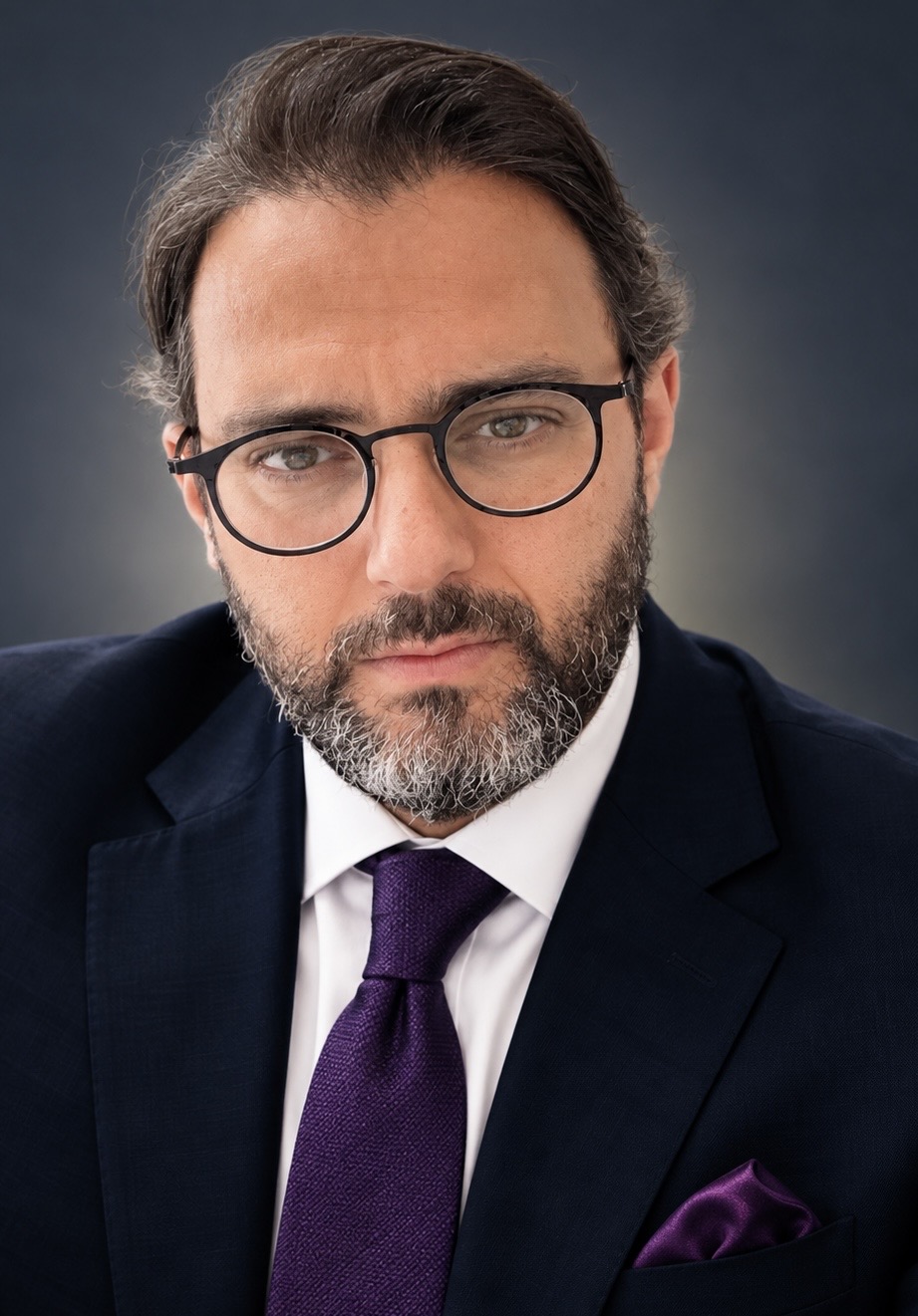
Dr. Hussein Kandil
MBBCh, FACS, MBA
Specialist Urologist | Male Infertility & Andrology

Clear information and individual care for men and couples navigating fertility concerns. Explore your options, learn about male reproductive health, and arrange a consultation in Abu Dhabi, Al Ain, or online.
The journey to fertility.
Follow a sperm’s remarkable journey. Choose a stage to discover what happens along the way.
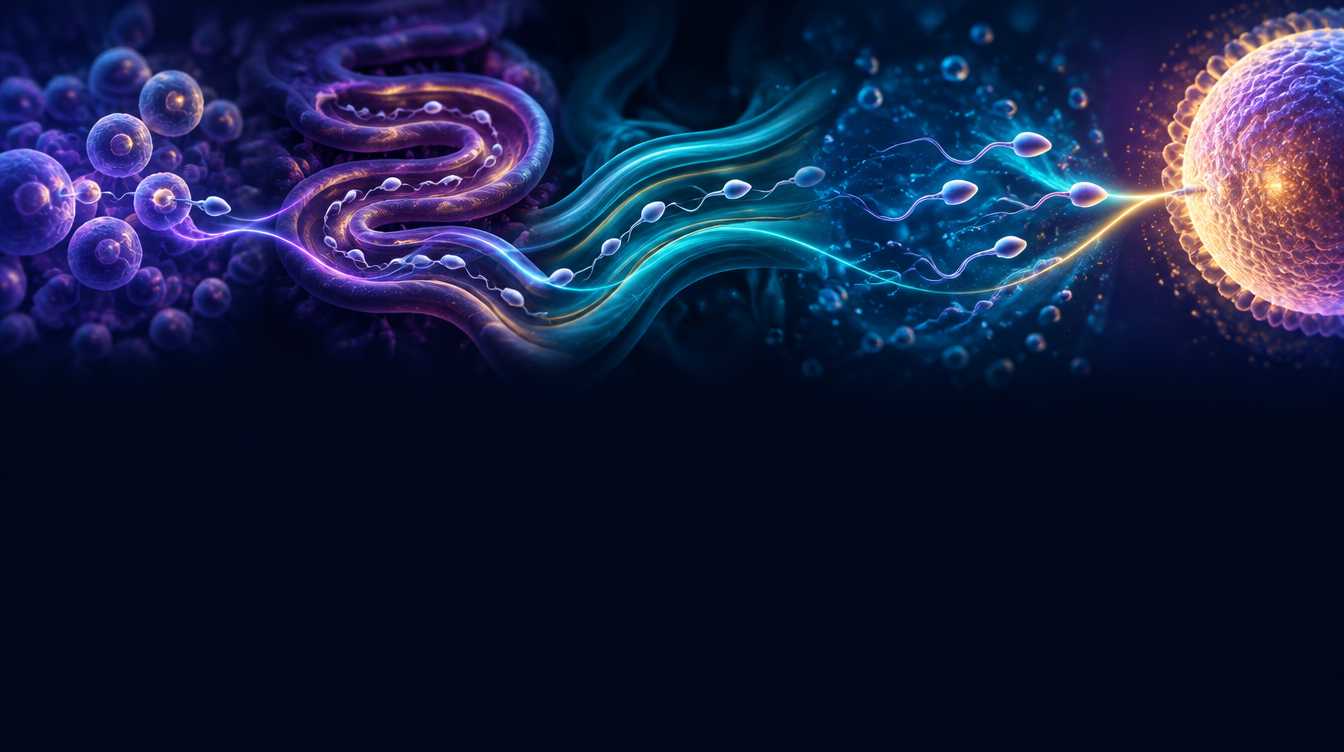
RUJOOLAH • THE SPERM JOURNEY
 Your Rujoolah guide
Where the journey begins
Sperm are produced in the testes. Hormones help support this process.
Production is only the first stage of a longer journey.
Growing ready for the journey
Sperm mature and are stored in the epididymis, a coiled duct beside each testis.
Making sperm and having mature sperm are different steps.
A connected pathway
The vas deferens carries sperm from the epididymis towards the urethra.
A blockage can interrupt sperm transport.
Movement with a purpose
After ejaculation into the vagina, sperm travel through the cervix and uterus towards the fallopian tubes. The tail helps propel them.
Fertility involves more than speed alone.
When sperm meets egg
Fertilisation usually takes place in a fallopian tube. A fertilised egg must then develop and implant in the uterus for pregnancy to progress.
Fertilisation and implantation are separate events.
A simplified educational illustration, not an anatomical map or a fertility assessment.
Learn more • Sources
NICHD — Men’s Reproductive Health
ASRM — Assisted Reproductive Technologies
Inside a sperm: structure & DNA.
Explore the microscopic structures that support movement, fertilisation and the delivery of genetic information.
Select a labelled part to explore its function.
The fertilisation cap
The acrosome is a cap over the front of the head. Its contents and membrane changes help sperm interact with the egg’s outer coverings during fertilisation.
The genetic cargo
The nucleus contains the paternal set of genetic instructions, normally in 23 chromosomes. Most sperm DNA is tightly packed with proteins called protamines.
The link between head and tail
This specialised junction anchors the tail to the head and contains centriolar structures involved in organising the sperm’s architecture.
The mitochondrial sheath
Mitochondria wrap around the core of the midpiece. They contribute to energy production; energy for sperm movement also comes from glycolysis.
The movement apparatus
The flagellum produces the bending movements that propel the sperm. Its core, the axoneme, has a typical arrangement of nine outer microtubule doublets around a central pair.
AI-generated photorealistic 3D medical illustrations. Structures are enlarged for learning; these are not actual microscopy photographs.
A closer look at sperm DNA.
The nucleus is small, but its genetic cargo matters. Explore DNA packaging and what fragmentation means.
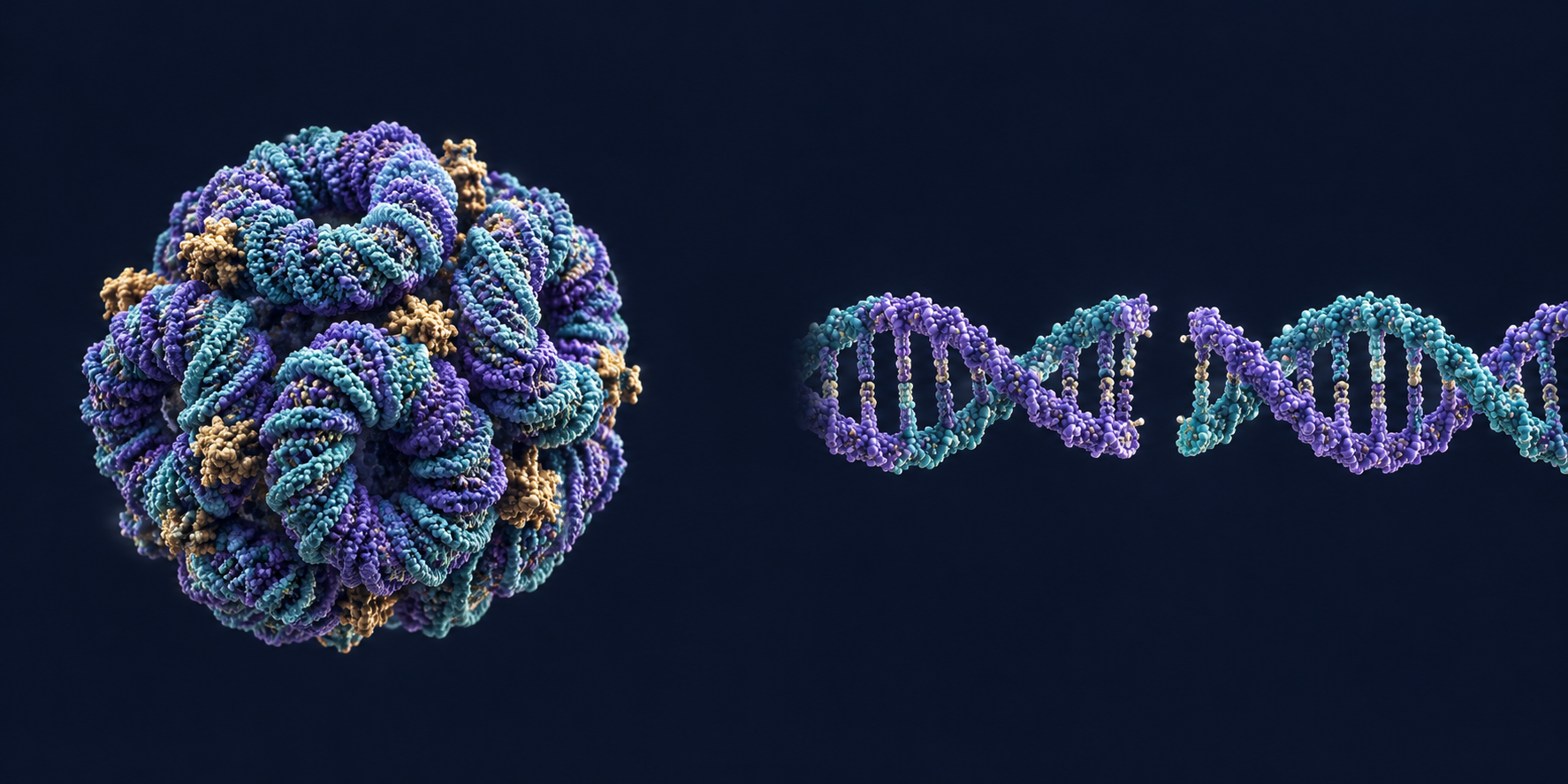
Compact packaging, protected cargo
During sperm development, most histones are replaced by protamines, helping DNA become highly compact. Some histones remain. The molecular illustration enlarges this organisation to make it visible.
Fragmentation means breaks in DNA
DNA fragmentation refers to breaks in DNA strands. It is different from an abnormal chromosome count. A sperm’s appearance or movement alone cannot reveal its DNA integrity.
How is it assessed?
Specialised laboratory tests assess DNA damage. They are distinct from a routine semen analysis and may be considered in selected clinical situations. A result alone does not determine whether pregnancy will occur.
Conceptual comparison only — not a test result, risk score or prediction of fertility.
How I Can Help
My practice focuses on male infertility and reproductive health, with evaluation and treatment tailored to each patient’s circumstances.
Male Fertility Assessment
Assessment of fertility concerns, review of previous investigations, and discussion of appropriate next steps.
Azoospermia & Sperm Retrieval
Evaluation of absent sperm in the ejaculate and discussion of sperm retrieval procedures, including micro-TESE, when appropriate.
Varicocele Treatment
Assessment of varicocele and consideration of treatment options, including microsurgical repair.
Vasectomy Reversal
Consultation about microsurgical reversal and the factors that may influence treatment choices.
Reproductive Hormone Disorders
Evaluation and management of hormonal concerns affecting male reproductive health.
Sexual & Ejaculatory Health
Confidential consultations for sexual function and ejaculation concerns.
Procedures, explained.
Understand the procedures I perform, why they may be considered, and what happens during each one.
Surgical sperm retrieval
These procedures collect sperm directly from the testis or epididymis—the coiled tube beside the testis. The choice depends on whether sperm are blocked from reaching the semen or production is reduced.
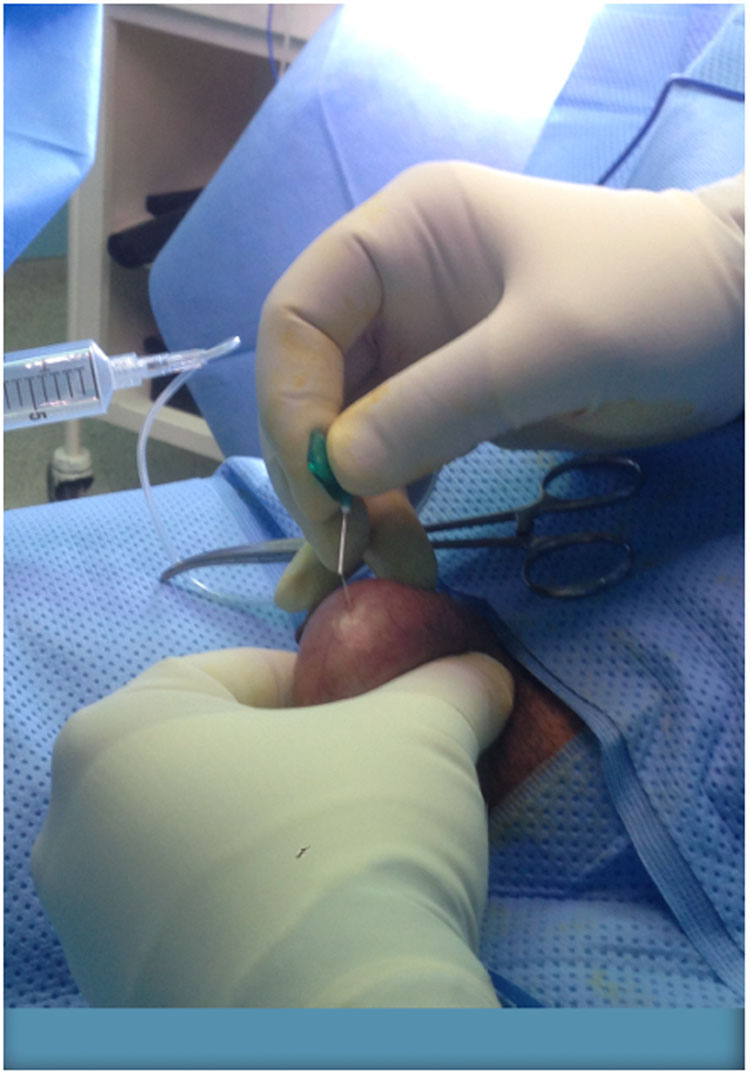
Testicular sperm aspiration
Needle collection from the testis
A fine needle takes a small sample directly from the testis. The laboratory examines it for sperm. TESA may be considered when sperm production is present but sperm cannot reach the semen.
The testis is supported and the area is numbed or anaesthesia is given.
Gentle suction draws a small tissue sample through the needle. The moving highlight shows the sampling route.
An embryologist searches the sample for sperm suitable for assisted reproduction.
View original procedure photographs
Surgical images from Dr. Hussein Kandil’s teaching archive
Percutaneous epididymal sperm aspiration
Needle collection from the epididymis
A fine needle passes through the skin into the epididymis to collect fluid. It may be used when sperm are being produced but their passage is blocked.
The epididymis stores and carries sperm after they leave the testis.
Fluid is gently drawn through a needle placed in the epididymis through the skin.
The laboratory checks the fluid. Another retrieval method may be needed if the sample is insufficient.
Microsurgical epididymal sperm aspiration
Microscope-guided collection from the epididymis
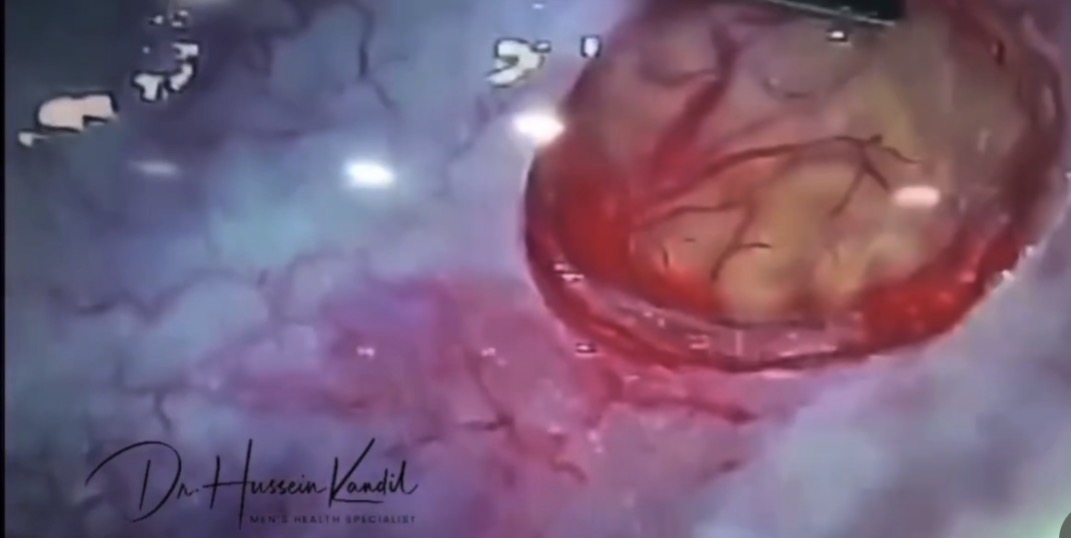
Through a small surgical opening, the epididymis is examined under an operating microscope. A tiny tubule is opened and fluid is collected for the laboratory.
MESA uses surgical exposure and a microscope. PESA collects fluid with a needle through the skin.
The surgeon exposes the epididymis through a small opening, allowing a direct view.
The fine covering is carefully opened to reach the small epididymal tubules.
Under magnification, a selected tubule is opened to release fluid.
Fluid appears at the opening. Its sperm content is confirmed in the laboratory, rather than by appearance alone.
A fine collection instrument draws up the fluid while the microscope guides the procedure.
The collected fluid is transferred to a laboratory dish for examination.
The laboratory examines the sample for sperm and assesses whether they can be used for ICSI or frozen. This photograph is a still laboratory view.
View the MESA photo sequence
MESA operative and laboratory images supplied by Dr. Hussein Kandil
Microdissection testicular sperm extraction
A careful microscopic search inside the testis
The testis is opened and examined with an operating microscope. Small samples are taken from selected sperm-producing tubules. This approach is used particularly when sperm production is severely reduced.
microTESE — surgical image gallery
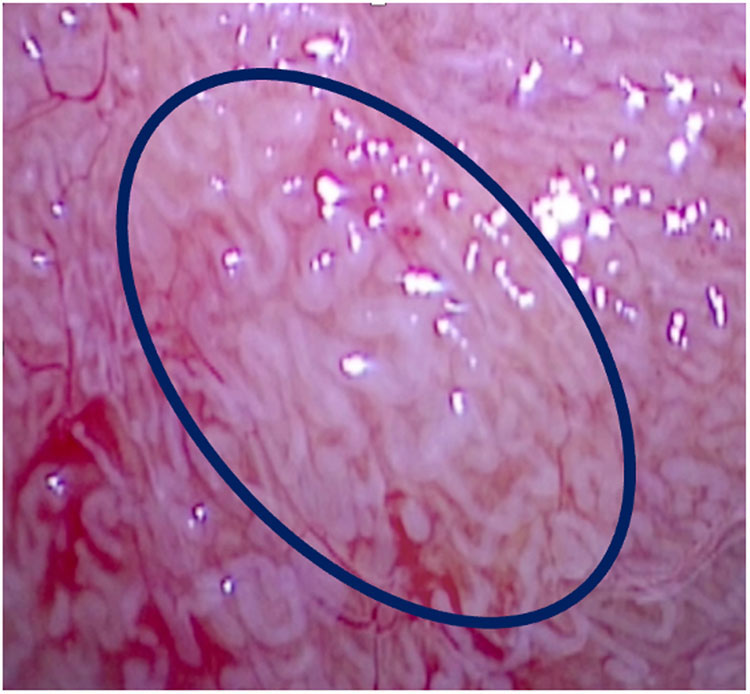
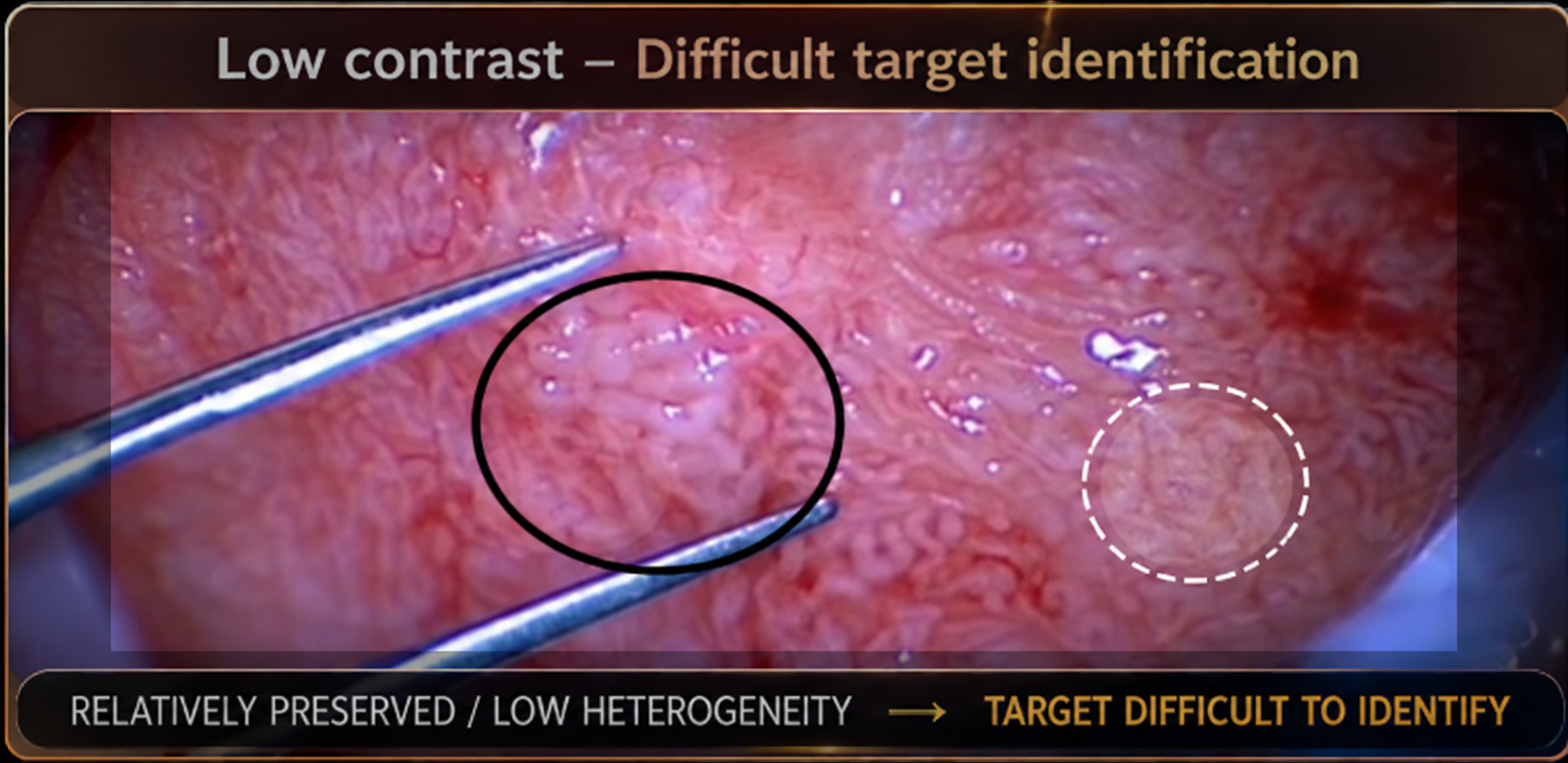
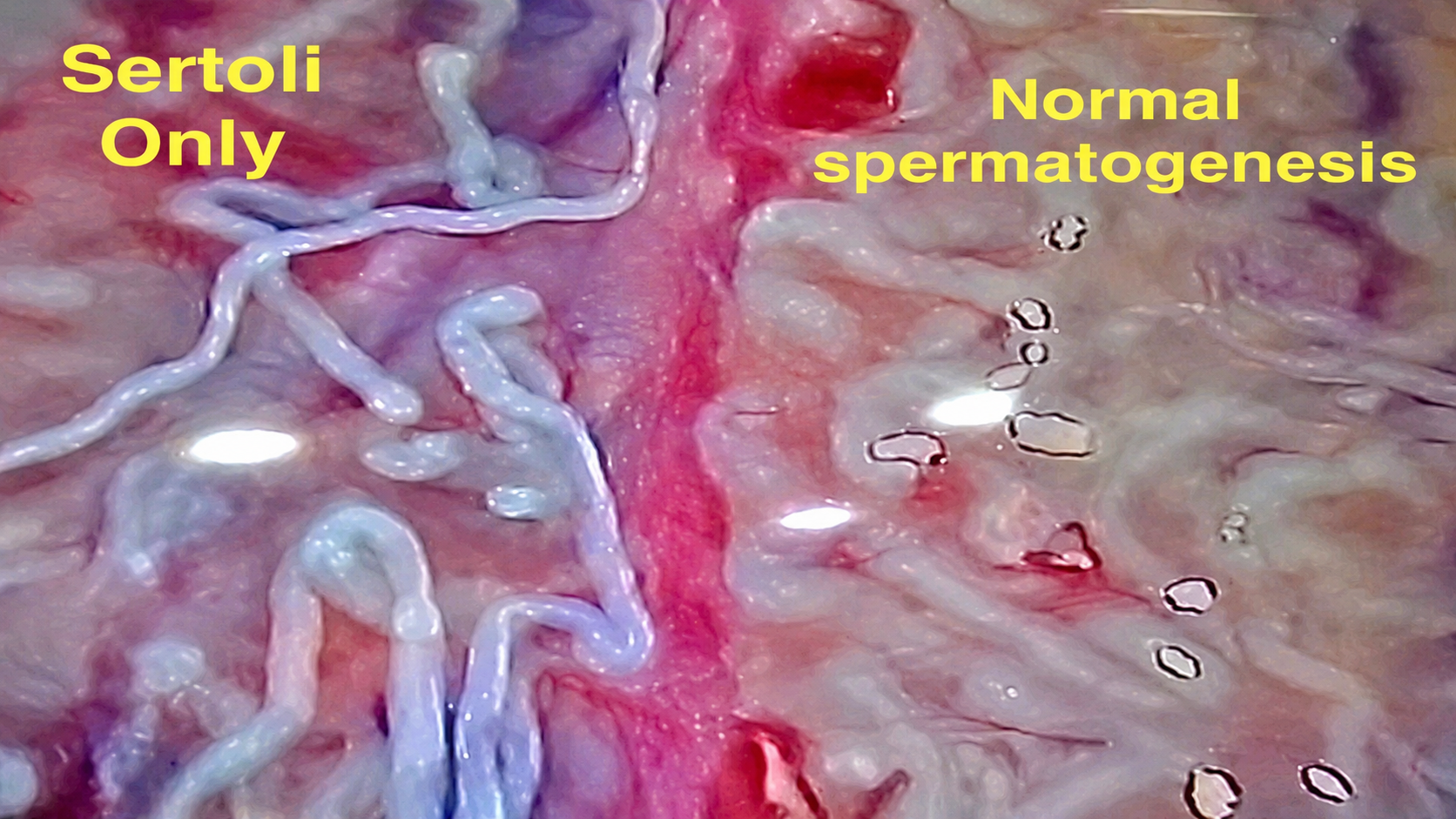
Appearance helps guide sampling, but does not prove that a tubule contains sperm. The laboratory must examine the collected tissue.
Microsurgical varicocele repair
Subinguinal microsurgical varicocelectomy
A varicocele is a group of enlarged veins around the testis. Through a small incision below the groin, the abnormal veins are carefully tied off under a microscope to reduce backward blood flow.
A gold-standard surgical approach
Microsurgery helps distinguish veins from the testicular arteries, lymphatic channels and sperm duct, which are preserved. It has low recurrence and hydrocele rates compared with many other surgical approaches. The right treatment still depends on your assessment.
The microscope helps separate the enlarged veins from structures that need to be protected.
The selected veins are sealed with sutures. Your photographs show vein ligation, rather than metal clips.
The final view shows the tied veins. The aim is to stop reflux while preserving important structures and alternative drainage.
View original procedure photographs
Surgical images from Dr. Hussein Kandil’s teaching archive
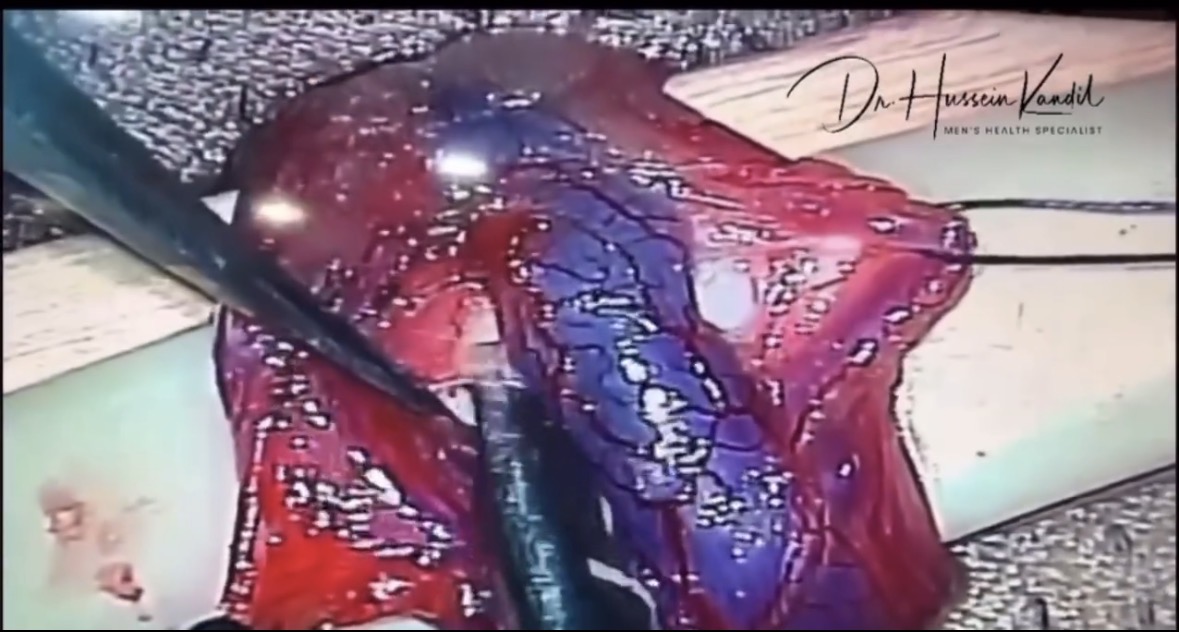
Repair may improve semen quality or symptoms in appropriately selected patients; it does not guarantee pregnancy.
Before choosing a procedure
We review your examination, semen analysis and relevant tests, along with your partner’s fertility plan. Anaesthesia, recovery and risks are discussed individually. Retrieved sperm are usually used with IVF/ICSI; finding sperm does not guarantee a pregnancy.
Meet Dr. Hussein Kandil
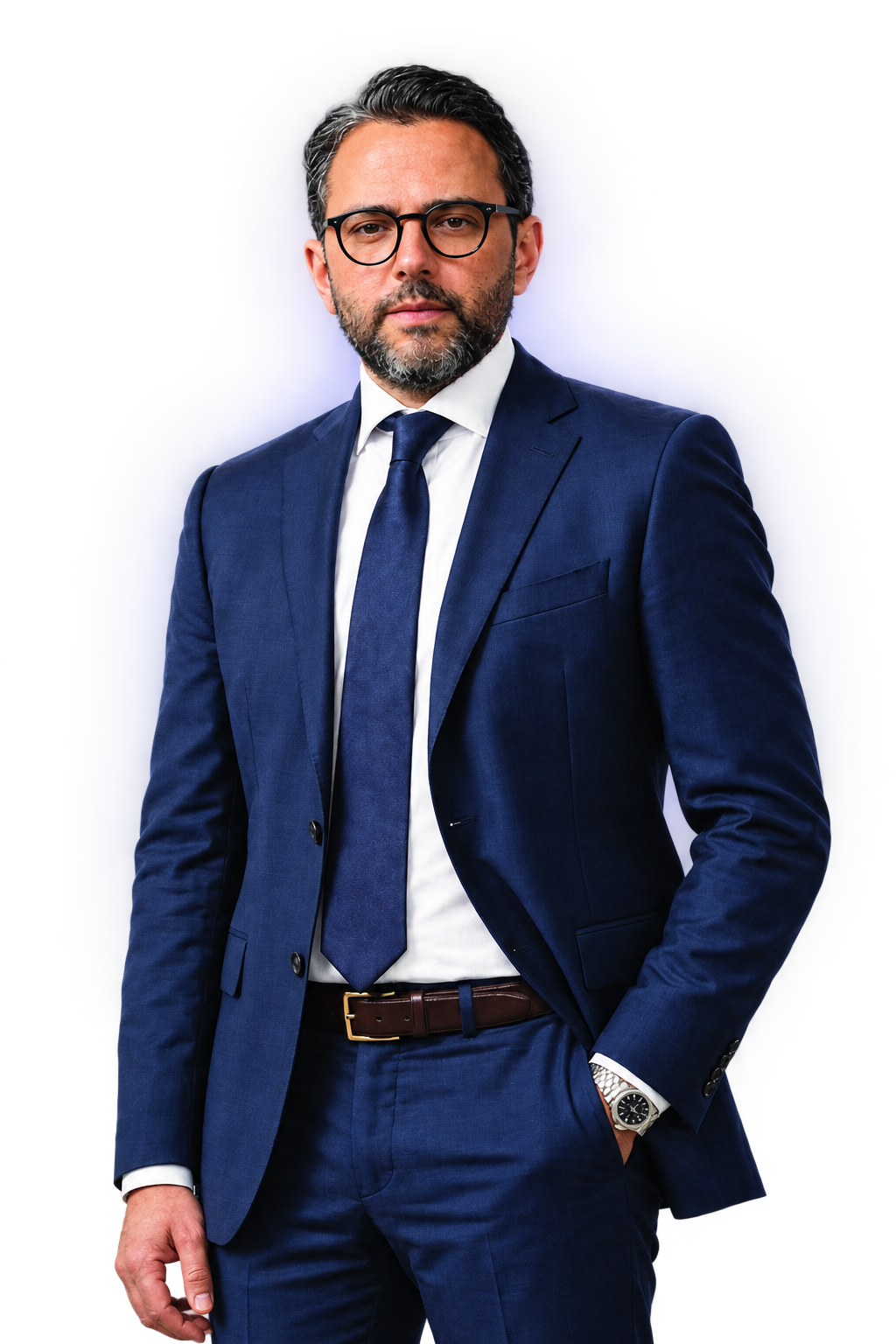
Dr. Hussein Kandil is a specialist urologist whose practice focuses on male infertility, reproductive hormone disorders, and sexual health.
He completed a fellowship in Andrology at the University of Illinois at Chicago and is a Fellow of the American College of Surgeons. His clinical expertise includes microsurgical sperm retrieval, microsurgical varicocele repair, and vasectomy reversal.
Alongside his clinical practice, Dr. Hussein Kandil contributes to research and medical education. He founded Rujoolah to make information about men’s reproductive health more accessible.
Consultations in English, Arabic, and French.
Read More About Dr. Hussein Kandil →
American College of Surgeons
Learn About Male Reproductive Health
Male’s Venue — Blog
Explore articles about male fertility, reproductive hormones, sexual health, and the questions patients bring to their consultations.
My Book — Free in English and Arabic

The Male Unlocked — From Zero to Hero: Overcoming Male Infertility is written for men and couples seeking a clearer understanding of male infertility.
Second edition
Research & Publications
Explore Dr. Hussein Kandil’s academic publications and contributions to research in male reproductive health.
TAKING THE FIRST STEP
Your First Consultation
A chance to share your concerns, ask questions, and understand the next steps with Dr. Hussein Kandil.
Before Your Visit
Bring previous test results and medical reports, if available, along with a list of your medicines and supplements. Note the questions you would like to discuss.
During Your Consultation
Discuss your health history and goals, review previous results, and take time to ask questions about the concerns that matter to you.
Planning Your Next Steps
Discuss any further assessment or options relevant to your circumstances, what they involve, and how to arrange follow-up.
When booking, please ask whether any documents or specific preparation are needed for your appointment.
COMMON QUESTIONS
Questions You May Have
Clear answers to help you take the next step.
When should I seek a male fertility assessment?
Assessment is usually recommended after 12 months of trying to conceive, or after 6 months if the female partner is 35 or older. Seek advice sooner if either partner has a known fertility concern or you have an abnormal semen analysis.
Can I book a consultation before having tests?
You can arrange an initial consultation to discuss your concerns and which investigations may be appropriate. Bring any existing results, and ask the clinic about preparation when booking.
What if my semen analysis shows no sperm?
This finding is called azoospermia and needs specialist evaluation. Further assessment may include confirming the result and investigating the cause. Any treatment or sperm retrieval options depend on the individual findings.
Should my partner attend the consultation?
A couple-based approach can help build a fuller picture of fertility. Ask the clinic whether attending together would be useful for your appointment; you can also discuss personal concerns individually.
How do online consultations through DRAPP work?
Open Dr. Hussein Kandil’s DRAPP profile and follow the platform’s instructions to request a consultation. Check available appointments, fees, and requirements in DRAPP. An in-person visit may still be needed for examination or procedures.
Explore more on Male’s Venue or arrange a consultation.
Medical background: AUA/ASRM male infertility guideline. Information is general; assessment and advice are individual.
Arrange Your Consultation
When booking, please request an appointment with Dr. Hussein Kandil.
Fakih IVF Fertility Center — Abu Dhabi
Al Karamah and Khalifa branches
First IVF Fertility Center
Burjeel Hospital, Abu Dhabi
Fakih IVF Fertility Center — Al Ain
Fakih Medical Center, Villa No. 2, Tawam Roundabout, Al Markhaniya Ashraj District 13, Bida Bin Ammar, Al Ain
Online Consultations
Connect with Dr. Hussein Kandil through DRAPP for an online consultation.
Contact Me
Send a general enquiry to Dr. Hussein Kandil. For appointments, please use the clinic booking details or DRAPP above.
For general enquiries—please do not include medical reports or sensitive health information.
Prefer email? info@rujoolah.com
Contrasting tubule appearances in Dr. Hussein Kandil’s teaching image. Laboratory examination confirms sperm production.
Enlarged surgical detail from your supplied teaching image.