A varicocele is an enlargement of the veins that drain blood from the testis. Some men notice a dragging ache, heaviness or a soft swelling often described as a “bag of worms.” Others have no symptoms and first hear about a varicocele during a fertility assessment. It is common, and its presence does not automatically mean that fertility is impaired or that an operation is needed.
How a varicocele can affect the testicular environment
Arteries carry oxygenated blood towards the testis, while veins carry blood away. In a varicocele, drainage is altered and veins become dilated. It is more common on the left, partly because of differences in venous anatomy. Standing or straining may make the veins more prominent; this does not establish that lifting weights or prolonged standing caused the condition.
The testes normally function at a temperature below core body temperature. Altered heat exchange, venous pressure and oxidative stress are among the proposed mechanisms through which a varicocele may affect sperm production and function. Some men have reduced sperm concentration or movement, or increased sperm DNA damage. Testosterone production can also be affected in some cases. These effects vary, and many men with varicoceles remain fertile.
How it is assessed
Examination is usually performed standing and may include a gentle straining manoeuvre. The clinician assesses whether veins can be felt, their size and the condition of the testes. Ultrasound can clarify uncertain findings or investigate another concern, but a varicocele visible only on imaging is not equivalent to a clinically palpable varicocele for treatment decisions.
The grade describes how evident the veins are on examination. Grade alone does not decide treatment. Semen findings, symptoms, testicular size, reproductive plans and the partner’s fertility circumstances all contribute to the discussion.
When repair may be useful
For fertility, repair is generally considered in a man with a palpable varicocele, abnormal semen parameters and infertility, after assessing the couple together. Persistent pain may be a separate reason to consider treatment after other causes have been excluded and conservative measures discussed. Decisions in adolescents, men with normal semen findings or men with NOA require their own careful assessment.
Subinguinal microsurgical varicocelectomy
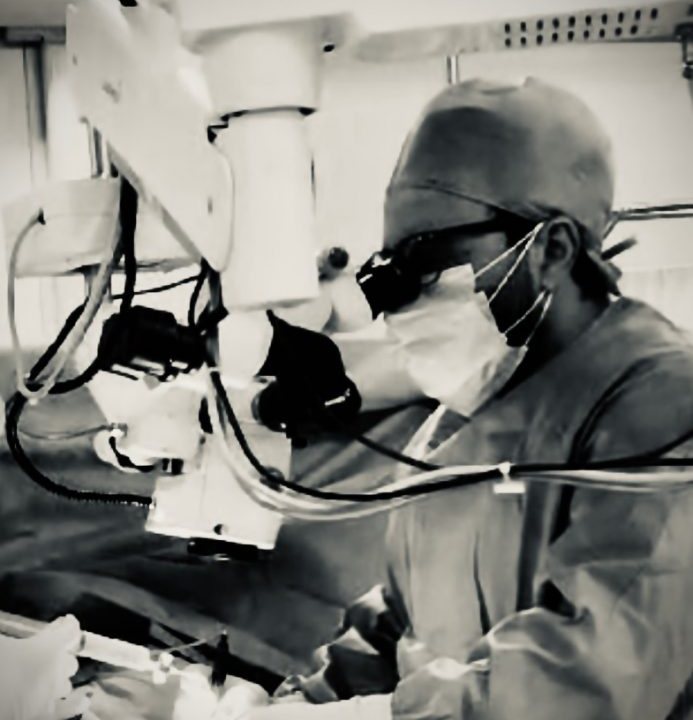
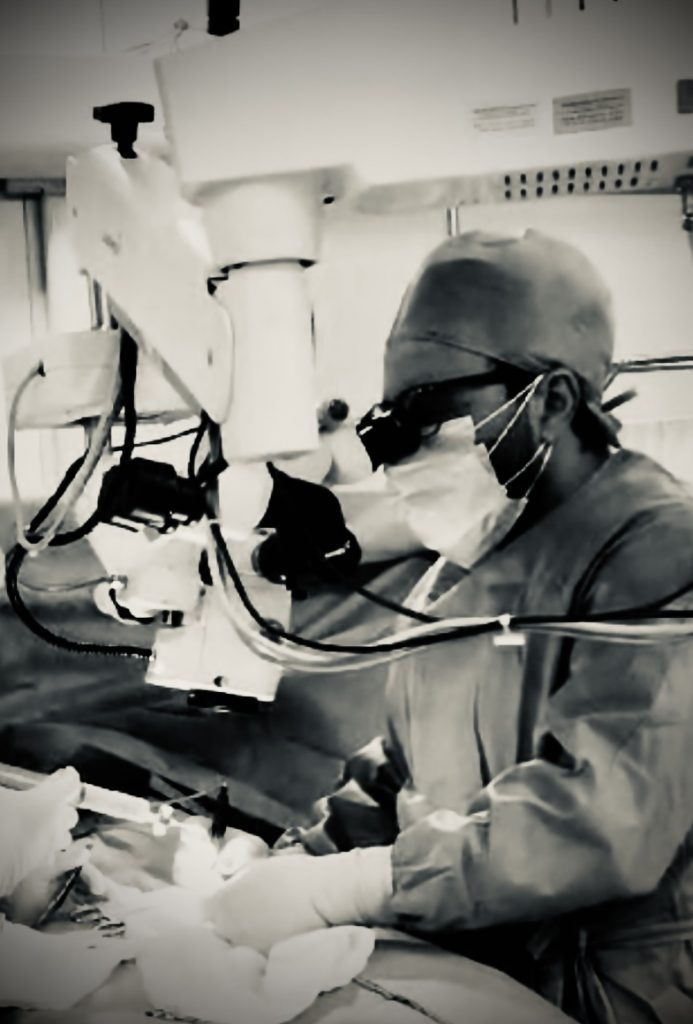
Through a small incision near the groin, the surgeon exposes the spermatic cord and examines its structures under an operating microscope. Dilated veins are identified and tied off, allowing drainage through other venous pathways. Magnification helps distinguish veins from the testicular artery, lymphatic channels and the vas deferens, which should be preserved.
The photographs in this article show enlarged veins and vein ligation with sutures. They illustrate the principle of selective ligation, rather than the use of metal clips. Preserving lymphatic channels helps reduce the risk of a postoperative hydrocele, a collection of fluid around the testis.
Why a microsurgical approach is often preferred
Microsurgical repair is a well-established approach with favourable recurrence and hydrocele rates in experienced hands. Other options include open or laparoscopic techniques and radiological embolisation, in which a vein is blocked from within using a catheter-based approach. Each has advantages, limitations and availability considerations. The choice should be explained rather than assumed to be identical for everyone.
Recovery, follow-up and limitations
Discomfort and bruising are possible after surgery. Return to work, lifting, exercise and sexual activity should follow individual instructions. Risks include bleeding, infection, persistent pain, recurrence, hydrocele and rare injury to the blood supply of the testis.
Sperm production changes over months, so follow-up semen testing is more informative than expecting an immediate improvement. Some men improve; others do not. Better semen parameters do not guarantee pregnancy, and treatment timing should account for both partners. Repair aims to address a relevant contributor to impaired function while keeping expectations realistic.


General patient education. This article does not establish a diagnosis or replace an individual medical assessment.