Klinefelter syndrome usually refers to a male chromosome pattern with an additional X chromosome, written as 47,XXY. Some people have a mixture of cell lines, called mosaicism. Its effects vary widely: some are diagnosed during childhood or adolescence, while others discover it during an investigation for low testosterone or infertility. A chromosome result does not define a person’s abilities, identity or future.
How the testes can be affected
The testes have two related functions: producing testosterone and making sperm. In Klinefelter syndrome, the seminiferous tubules may become less able to support sperm formation, and testosterone production may be reduced. The pituitary may respond by releasing more FSH and LH, so elevated gonadotropins can form part of the laboratory pattern.
Small testes, reduced body hair, breast enlargement or symptoms of testosterone deficiency may prompt assessment, but physical findings differ. Not everyone has the same features. Diagnosis is confirmed by chromosome testing rather than appearance alone.
Fertility does not follow one identical pattern
Many affected men have azoospermia, meaning no sperm are found in the ejaculate. Some, including some with mosaicism, may have sperm in semen. An appropriately performed semen analysis is therefore useful rather than assuming the result in advance. If sperm are present, freezing may be discussed in relation to reproductive plans.
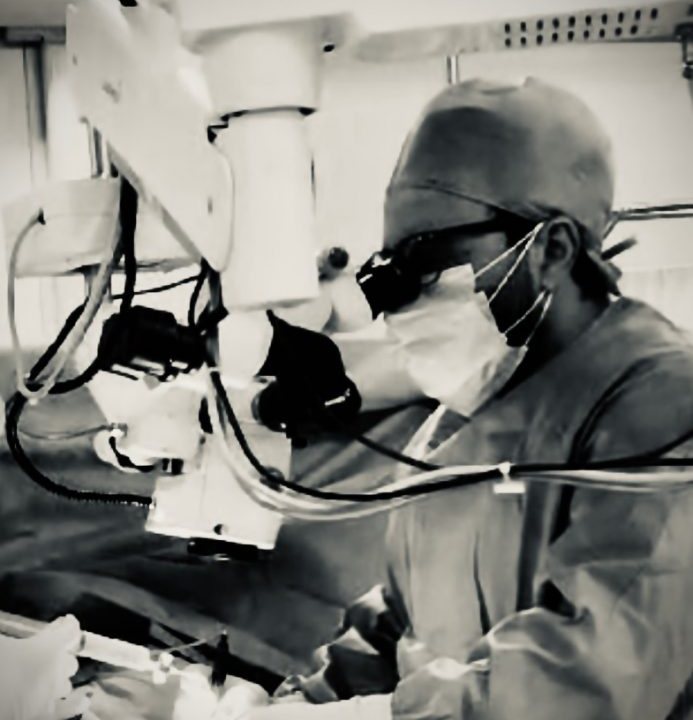
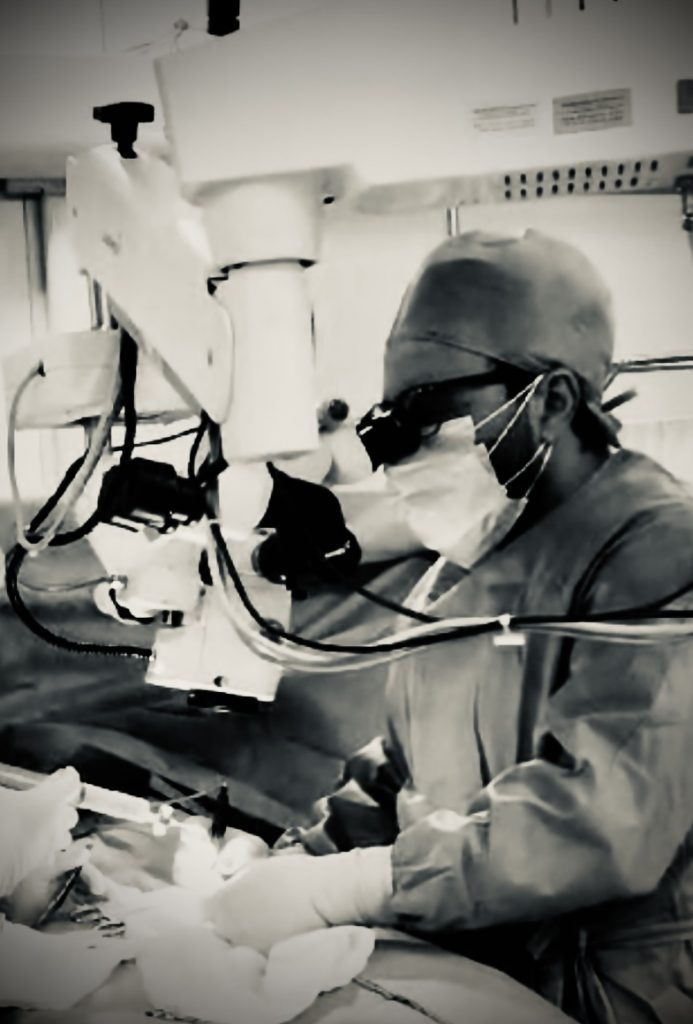
For selected men with azoospermia, microTESE can search for small areas of remaining sperm production within the testis. The surgeon uses magnification to guide sampling, and the laboratory determines whether sperm are present. Retrieval is possible in some men but is not guaranteed, and hormone levels or appearance alone cannot reliably predict an individual’s outcome.
From sperm retrieval to pregnancy
Surgically retrieved sperm usually require IVF with ICSI. The partner’s assessment and the laboratory plan are therefore important parts of counselling. Retrieval, fertilisation, embryo development and live birth are separate outcomes. Genetic counselling helps explain the chromosome finding, reproductive options and the role and limitations of any proposed genetic testing.
A decision about surgery should also consider general health, anaesthesia, recovery and the possible effect of testicular surgery on testosterone. Fertility preservation strategies in younger patients require individual specialist counselling; an invasive procedure should not be assumed necessary for every adolescent.
Testosterone treatment and fertility planning
When clinically indicated, testosterone treatment may support sexual symptoms, muscle and bone health and overall wellbeing. It does not correct the chromosome pattern and is not a treatment that produces sperm. External testosterone can suppress reproductive signalling, so treatment timing should be coordinated with fertility plans. Do not stop an established prescription without specialist advice.
Development, learning and wider health
Some people benefit from speech, language, learning or psychosocial support, while many have typical intelligence and lead independent, fulfilling lives. Support should respond to the individual’s needs rather than stereotypes about the diagnosis.
Follow-up may also address bone health, body composition and metabolic or other associated health concerns. Coordinated care can involve endocrinology, urology, genetics and primary care. Early recognition can improve access to useful support, but a diagnosis in adulthood is still an opportunity to address symptoms and make informed reproductive choices.
General patient education. This article does not establish a diagnosis or replace an individual medical assessment.