Finding no sperm in a semen sample can be distressing, but azoospermia describes a laboratory finding rather than a single disease. In obstructive azoospermia, sperm are produced but cannot reach the ejaculate because a pathway is blocked or absent. In non-obstructive azoospermia (NOA), sperm production itself is severely impaired. Distinguishing these conditions is essential because investigations, treatment and expectations differ.
Why sperm may still be present inside the testis
Sperm production is not always uniform throughout the testis. In some men with NOA, most seminiferous tubules—the tiny tubes where sperm develop—show very limited production, while small areas retain active sperm formation. These isolated areas may contain sperm even when repeated semen examinations find none in the ejaculate.
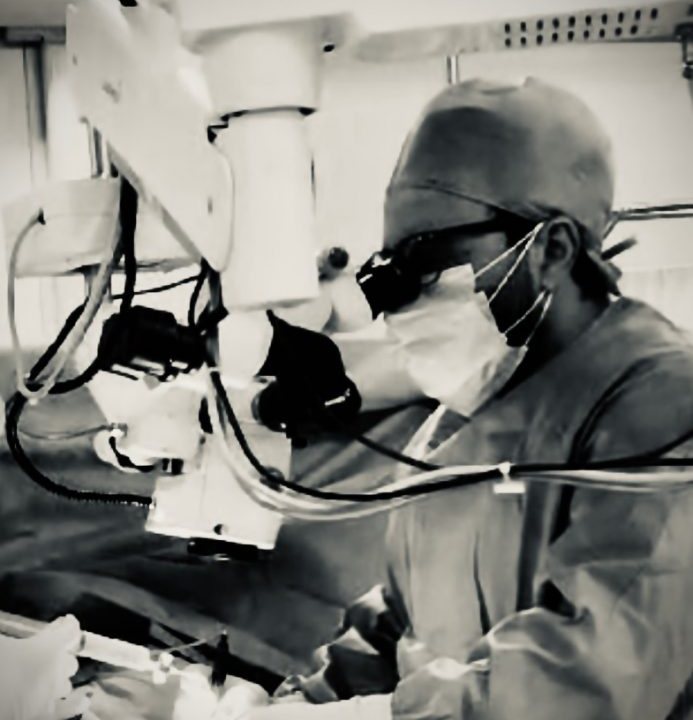
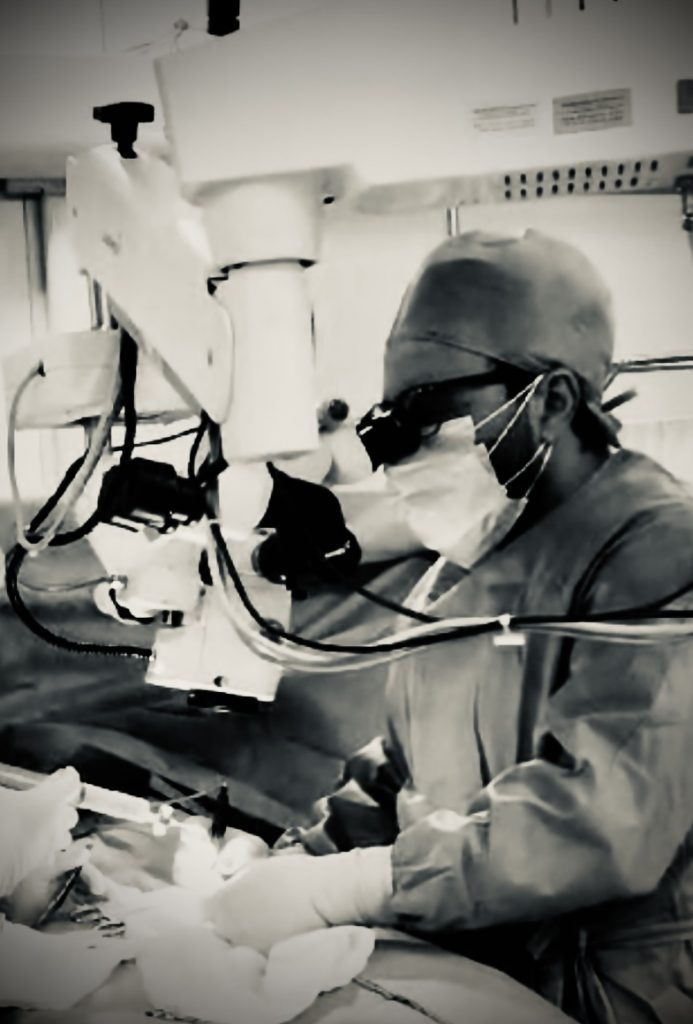
Microdissection testicular sperm extraction, or microTESE, is designed to search for these areas under an operating microscope. It is a retrieval procedure, not an operation that restores normal sperm production or clears a blockage.
Assessment before surgery
A specialist reviews semen findings, reproductive history, previous operations, infections, undescended testes, cancer treatment and exposure to testosterone or anabolic steroids. Examination and hormone measurements help assess testicular function. Appropriate genetic investigations may include chromosome analysis and testing for Y-chromosome microdeletions, depending on the clinical findings.
These tests can identify causes, affect counselling and sometimes change whether surgery is appropriate. FSH is useful information, but a high value alone does not establish that retrieval will fail. Likewise, a normal value does not guarantee success. Where inadequate hormonal stimulation is the cause, medical treatment may be considered before a retrieval operation.
What happens during microTESE?
Under anaesthesia, the surgeon exposes testicular tissue and uses magnification to examine the seminiferous tubules. Relatively larger or more opaque tubules may be selected for sampling because their appearance can suggest areas with better preserved activity. Small tissue samples are passed to the embryology laboratory, where they are processed and carefully examined for sperm.
The microscope helps guide selection and avoid unnecessary tissue removal, but visible tubule size cannot confirm sperm production. Only laboratory examination can establish whether usable sperm have been found. The image in this article illustrates surgical selection; it cannot predict an individual outcome.
How it differs from TESA and conventional TESE
TESA uses a needle to aspirate material from the testis without microsurgical visual selection. Conventional TESE removes tissue samples through an incision. microTESE uses magnification to guide the search, and is generally the preferred retrieval approach for men with NOA when surgery is indicated. The most suitable method still depends on the diagnosis, available expertise and the couple’s treatment plan.
What happens if sperm are found?
Retrieved testicular sperm usually need IVF with intracytoplasmic sperm injection (ICSI), in which an embryologist injects a sperm into an egg. Sperm may be used fresh or frozen, depending on the number, viability and laboratory plan. Retrieval, fertilisation, embryo development, pregnancy and live birth are separate stages; success at one stage does not guarantee the next.
Risks, recovery and realistic expectations
Discuss bleeding, infection, discomfort, anaesthesia and possible reductions in testosterone. Careful technique aims to limit tissue injury, but cannot eliminate risk. Follow the surgical team’s instructions on activity, wound care and follow-up. A temporary or persistent hormonal change may require reassessment.
Before surgery, ask what the team will do if no sperm are found, how samples will be stored if retrieval succeeds, and how the operation will be coordinated with the partner’s care. Research continues, but experimental techniques should not be presented as established solutions. The purpose of counselling is to offer a realistic pathway with a clear understanding of both its possibilities and its limits.

General patient education. This article does not establish a diagnosis or replace an individual medical assessment.